
Contents Pack-Out and Storage in New York City
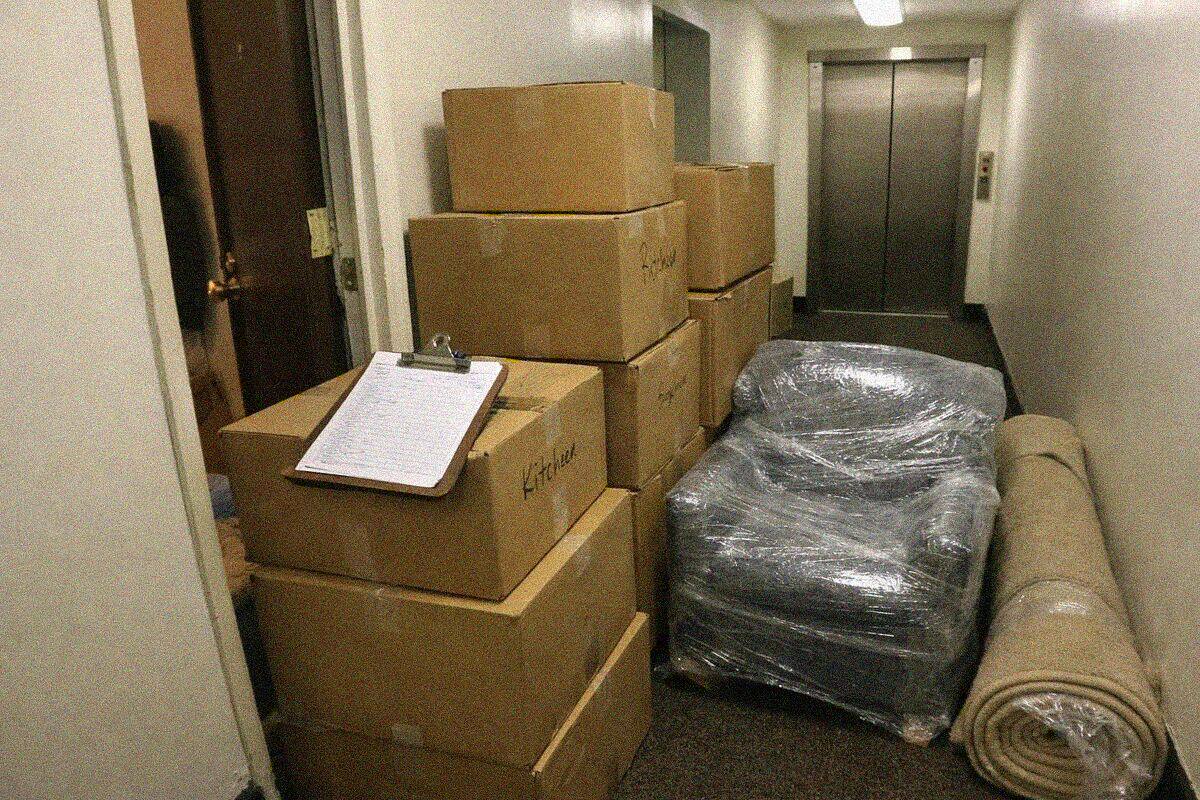
In an apartment with no spare room, pack-out means off-site storage, and the inventory is signed before the first box goes down the elevator.
Contents pack-out is the removal of furniture, belongings and stored items from a wet apartment so the floors and walls can be dried and repaired, with everything inventoried, photographed, packed, stored and returned. In a house with a garage the contents go there; in a Manhattan or Brooklyn apartment there is no garage, no basement of your own and no spare room, so pack-out means a truck, a freight elevator booking and a rented storage unit for the weeks the apartment is a work site.
The two things that go wrong in pack-outs, across the national review record for the large restoration brands, are belongings that go missing and storage charges that were never explained. The contractor we dispatch produces a photographed, itemized inventory that you sign before anything leaves the apartment, and the storage cost is stated as a monthly figure with a source before the truck is booked. Where only part of the apartment is wet, blocking the furniture up in place on the dry side is offered as the cheaper alternative.
What a Contents Pack-Out Includes
A pack-out covers the inventory, the packing, the move out, the storage, any cleaning or drying of the contents themselves, and the move back. Wet contents are sorted at the start into what can be dried and kept, what needs specialist cleaning, and what is a loss, and that sort is written down and photographed so the insurer sees the same list you do. Dry contents that are in the way of the drying go straight to storage.
- Room-by-room photographed inventory, itemized, with condition noted, signed by you before the first item leaves
- Packing with labeled boxes keyed to the inventory, furniture wrapped, fragile items crated
- Freight elevator or stairwell move to a truck, in the building's booked window
- Off-site storage in a rented unit, or in the contractor's facility where one exists, with the monthly cost stated
- Drying, cleaning and deodorizing of salvageable wet contents, listed separately
- Return move and unpacking, checked against the same inventory
The Inventory Is Signed Before Anything Leaves
Missing belongings are the second most common pack-out complaint nationally, and the inventory is the answer.
Every item that leaves the apartment is listed, photographed in place and photographed packed, with its condition noted, and the list is signed by you and by the contractor before the first box goes down the elevator. Boxes are numbered to the list. The same list is checked on the way back in, and anything that does not come back or comes back damaged is on paper as having left in a stated condition. Where a wet item is being disposed of as a loss, it is photographed and listed too, because the insurer will pay on that record and on nothing else.
Valuables, documents, medication and anything you will need during the weeks away stay with you and are noted as retained. Electronics that got wet are listed as wet, unplugged and not tested, and are handled by a specialist if the insurer wants them assessed. Nothing is discarded on the day without being on the list as a loss you agreed to.
Storage in New York: What It Costs and Where It Goes
Storage is the line most people are not expecting, and it is the line no competitor states. StorageCafe's August 2026 figures put a standard 10 by 10 foot self-storage unit in New York City at an average of 271 dollars a month, with the range running from about 119 dollars in Hunts Point in the Bronx to about 546 dollars in Yorkville on the Upper East Side. A one-bedroom apartment's contents fit a 10 by 10 with care; a family apartment needs more. The contractor we dispatch states the unit size, the location and the monthly cost before the truck is booked, and the storage runs from the move-out date to the move-back date, so a rebuild that stalls is a storage bill that grows.
That figure is the reason to keep the handoff from drying to repair tight, and it is a reason to consider the alternatives. Where the storage location is far from the apartment, the move costs less per month and more per trip; where it is near, the reverse. On an insurance claim, storage for contents removed to allow repairs is usually a covered cost under the policy's additional living expense or contents provisions, and the carrier decides the term it will pay for, so the monthly figure and the expected duration go into the claim file at the start.
Blocking Furniture in Place: The Cheaper Alternative
A full pack-out is the right call when the whole floor is coming up or the whole apartment is wet. When one room is wet and the rest is dry, or when the drying can work around the furniture, the contents can be moved to the dry side of the apartment, lifted on foam blocks off the wet floor and wrapped, and the drying equipment set around them. It costs a fraction of a pack-out and there is no storage bill and no second move. What it needs is honesty about the scope: furniture blocked up on a floor that is going to be replaced is a pack-out deferred at extra cost.
The choice is written into the drying plan. The moisture map says which rooms are wet, the repair scope says which floors and walls are coming out, and between them they say which pieces have to leave the apartment and which can stay. You see that decision before it is made.
Freight Elevators, Stairs and the Building
Moving contents out of a New York apartment runs on the building's rules. Elevator buildings book the freight or service elevator by the hour, usually on weekdays, and require a certificate of insurance from the moving contractor with the building and the managing agent named, plus floor protection in the lobby and hallway. A porter may be required on the elevator and paid overtime for a weekend or after-hours move. The managing agent will want the same paperwork for the move back in, weeks later.
Walk-ups have no elevator, and the contents come down the stairs by hand, which limits what can be moved in a day and rules out some large pieces without dismantling. A truck at the curb is subject to alternate-side parking and loading rules, so the move is planned for a single window with a permit or a legal loading spot arranged. In a brownstone the stoop and a narrow hall are the route, and pieces are measured before the day.
What Drives the Cost of a Contents Pack-Out in New York
A pack-out is priced by labor hours, packing materials, the truck, the storage term and any contents cleaning, and in New York the building logistics add to each of those. The published 2026 national cost surveys that give per-square-foot mitigation figures, about 3.75 to 7.50 dollars per square foot from Angi and HomeGuide, treat contents handling as a separate line on top, and here the separate line is bigger because the contents have to leave the building. New York City storage averages 271 dollars a month for a 10 by 10 unit per StorageCafe in August 2026, and that runs for as long as the apartment is a work site. The figure for your apartment is written after the walk-through and before the truck is booked.
- Volume of contents leaving, measured in rooms or in boxes and pieces, and how much is being blocked in place instead
- Packing complexity: books and clothing pack fast, art, glass, instruments and a full kitchen do not
- The building: freight elevator hours, porter charges, certificate of insurance, floor protection, or five flights of stairs
- Truck time at the curb and the distance to the storage location
- Storage unit size, location and term, which runs until the rebuild is done
- Contents cleaning, drying and deodorizing for salvageable wet items, listed separately
- A second move and unpacking on the way back, under the same building rules
Signs a Pack-Out Is the Right Call
Some apartments dry around the furniture; these do not.
The floor is coming up
Parquet or strip flooring that has to be lifted or replaced cannot be worked around, and every piece on it has to leave.
More than one room is wet
When there is no dry side of the apartment to move things to, blocking in place stops working and the contents need somewhere else to be.
The water was Category 3
A sewage backup or a waste stack leak contaminates what it touched, and porous contents are sorted, listed and mostly disposed of, with the rest cleaned off site.
Mold remediation is in the plan
A containment under negative air needs the room empty, and contents inside a remediation area are cleaned or discarded on the assessor's plan.
Furniture is standing in water
Upholstered pieces and particleboard wick water in hours, and getting them up on blocks or out of the apartment on the first day is what saves them.
How a Contents Pack-Out Call Runs in New York
Call and describe the apartment
A person answers at any hour. Say how many rooms are wet, what floor you are on, whether there is a freight elevator, and whether the building needs a certificate of insurance before movers come in.
Walk-through and the pack-out or block-in-place decision
The contractor reads the moisture map and the repair scope with you and states in writing which pieces can stay on blocks and which have to leave, with the storage size, location and monthly cost.
Inventory, photographs and your signature
Every item leaving is listed, photographed in place and packed, condition noted, and the list is signed by both sides before the first box moves.
Move out in the building's window
Freight elevator booked, floors protected, certificate of insurance on file, and the truck at the curb for a planned window. Wet salvageable items go for cleaning; the rest go to storage.
Move back against the same list
When the rebuild is signed off, the contents return, are checked item by item against the inventory, and are unpacked into the finished rooms.
Water in the Apartment Right Now?
Tell us what has happened and where, and we will get the response moving. If water is still coming in, find the shutoff or call the super first.
The phone is picked up 24 hours a day, seven days a week, on every holiday in the year.
Why New Yorkers Call This Number
A Signed, Photographed Inventory Before the First Box Leaves
Every item is listed and photographed in place and packed, with its condition noted, and you sign the list before anything goes down the elevator, because missing belongings are among the most common pack-out complaints in the national review record.
Storage Cost Stated With a Source
New York self-storage averages 271 dollars a month for a 10 by 10 unit per StorageCafe in August 2026, from about 119 in Hunts Point to about 546 in Yorkville, and the unit, the location and the monthly figure for your contents are written down before the truck is booked.
Block in Place Offered Where It Works
Where the moisture map and the repair scope allow it, furniture is lifted on blocks on the dry side of the apartment and the drying runs around it, which costs a fraction of a pack-out and needs no storage.
A typical contents pack-out call in Yorkville
The situation: a one-bedroom rental on the fourth floor of a post-war elevator building on the Upper East Side where a riser failure in the wall behind the living room had wet the strip oak floor across the living room and into the bedroom. The floor was coming up in both rooms, the tenant had no other room to move into, and the landlord's contractor had told her to put everything in the hallway.
What gets done: the walk-through confirmed both floors were being replaced, so a full pack-out was written up with a 10 by 10 storage unit, its location and its monthly cost stated in the plan and passed to the tenant's HO-4 carrier with the claim. Every item was photographed in place, listed with its condition and packed into numbered boxes, and the tenant signed the inventory before the first box moved. The managing agent had the certificate of insurance and booked the service elevator for a weekday morning, and the wet sofa went for cleaning with the rest to storage.
The result: the floors are replaced with the rooms empty, the storage runs for the weeks the rebuild takes with the monthly figure known from the start, and the contents come back and are checked off against the same signed list, with the carrier paying on the inventory and the photographs.
Before you let anyone open a wall
A short checklist for hiring a water damage contractor in New York City: the licenses to look up, the warning signs, and the four documents to ask for on any job.
Questions New Yorkers Ask
How quickly can a pack-out be arranged?
The phone is answered 24 hours a day on every day of the year and the walk-through is arranged from that call. What sets the move-out date in an elevator building is the freight elevator booking and the certificate of insurance, which a management office may take a day to process, so tell whoever answers about the building at the start.
How do I know my things will come back?
By the inventory. Every item is listed and photographed in place and packed, with its condition noted, and you sign the list before anything leaves. The same list is checked on the return. Anything that left in a stated condition and did not come back the same is on paper.
What does storage cost in New York?
StorageCafe's August 2026 figures put a standard 10 by 10 self-storage unit in New York City at an average of 271 dollars a month, from about 119 dollars in Hunts Point to about 546 in Yorkville. The unit size, the location and the monthly figure for your contents are stated before the truck is booked, and on an insurance claim the term the carrier will cover goes into the file at the start.
Can the furniture stay in the apartment while it dries?
Often, when one room is wet and the rest is dry and the floor is staying. Pieces are moved to the dry side, lifted on blocks and wrapped, and the drying equipment runs around them. When the floor is coming up or every room is wet, there is nowhere for them to go and a pack-out is the right call.
Does my renters or HO-6 policy pay for the pack-out and storage?
Usually the contents provisions and the additional living expense cover of an HO-4 or HO-6 policy address contents removed to allow repairs, and the carrier decides the term and the amount. The inventory, the photographs and the stated storage cost are what the claim is paid on, so they go to the adjuster at the start.
What happens to things that got wet?
They are sorted on the day into salvageable and lost, and both lists are photographed and signed. Salvageable upholstery, rugs and clothing go for drying, cleaning and deodorizing as a separate line. Losses are listed for the insurer and disposed of only with your agreement.
Related Services
Water Damage Repairs and Reconstruction
Plaster, drywall, skim coat, paint, trim and flooring, with the handoff from drying to rebuild agreed in writing.
Read more →Structural Drying and Dehumidification
Air movers and dehumidifiers sized to the room, with readings taken daily until the plaster and joists are dry.
Read more →Apartment and Co-op Water Damage
Leaks that cross unit lines, and sorting out who is responsible for what under a proprietary lease or condo bylaws.
Read more →All 14 services are listed on the services page. How the process runs end to end is on the home page, and the about page explains what to expect from whoever attends.